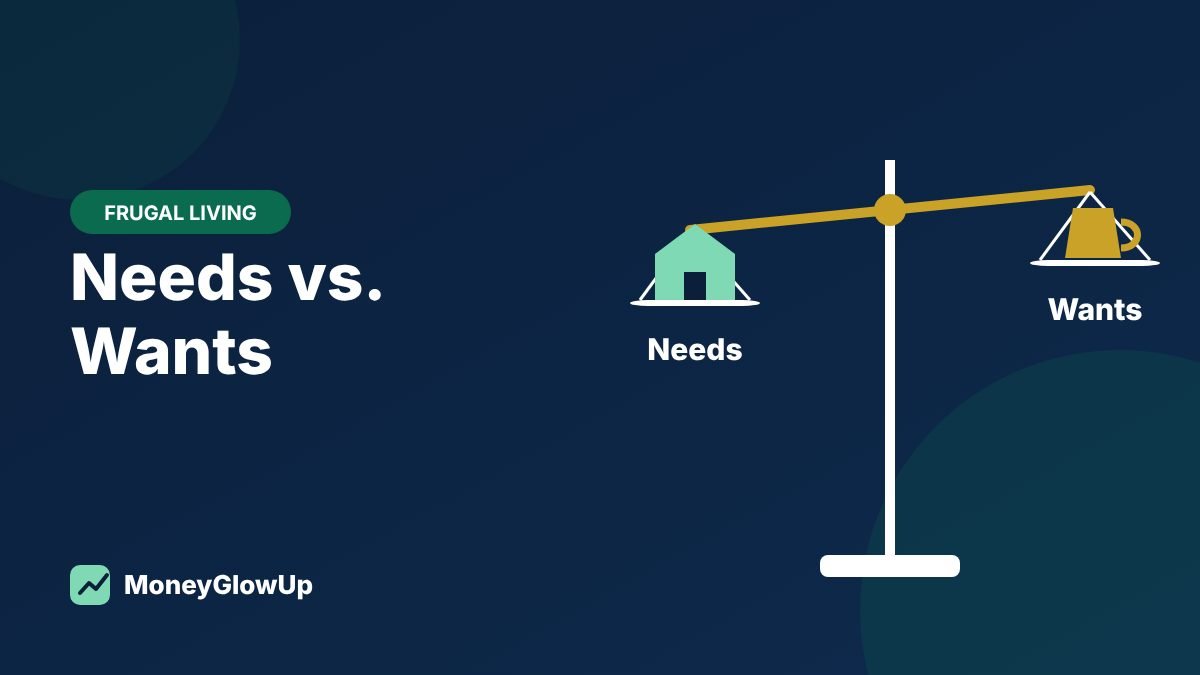
A need is something you must pay for to live safely and keep earning an income. A want improves your life but isn’t essential. Most confusion comes from the middle: the need is real, but the version you buy is a want.
The four-question test
- Would skipping it harm my health, safety, housing or ability to work?
- Is there a cheaper version that meets the same basic need?
- Would I buy it again today at full price?
- If I waited 30 days, would I still want it?
If the answer to the first question is “no,” it is probably a want. If it is “yes,” the second question shows how much of the cost is need and how much is upgrade.
Gray areas, sorted
| Spending | Need part | Want part |
|---|---|---|
| Phone | A working phone and basic plan | Newest model, premium plan |
| Groceries | Nutritious staples | Premium brands, delivery fees |
| Car | Reliable transportation to work | Higher trim, bigger payment |
| Clothing | Weather-appropriate, work-appropriate basics | Trends and extras |
| Internet | Speed you need for work or school | Top-tier plan you don’t use |
Illustrative example (made-up numbers): splitting a $85 phone bill
A basic plan that meets Jordan’s needs costs about $45. Jordan records $45 as a need and $40 as a want. Seeing the $40 clearly makes it a choice rather than an obligation.
How to use this in your budget
- Label each line of last month’s spending as need, want or split.
- Compare totals with your plan — for example the 50/30/20 rule.
- Cut wants you don’t value first; keep the ones that matter to you.
- Revisit the labels when your situation changes.
Wants aren’t the enemy
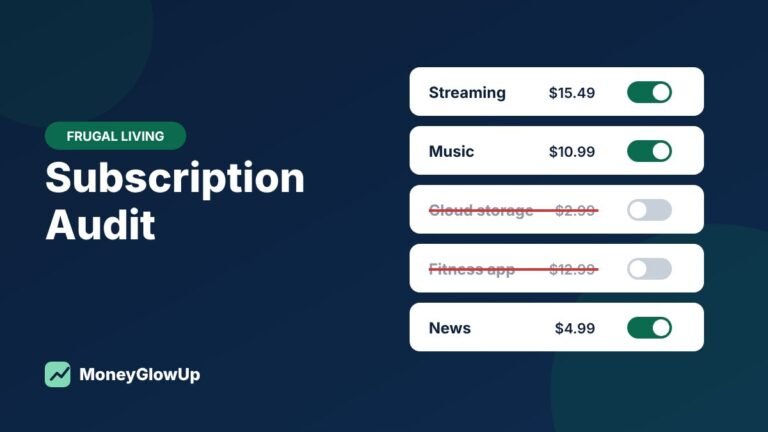
A budget with zero fun rarely lasts. The goal is to choose your wants on purpose instead of by habit. A subscription audit is an easy place to start.
Track first, then label
It is hard to sort spending you can’t see. The CFPB’s free spending tracker suggests tracking a full month of purchases and circling the costs that repeat. It notes that recurring items “are often your needs and obligations,” while the places you can cut back “will generally be wants.” Our spending tracking guide shows a quick way to do this.
Needs change with your situation
| Situation | What may become a need |
|---|---|
| You work from home | Reliable internet at the speed your job requires |
| You have no reliable public transit | A dependable car, maintenance and insurance |
| You care for a child or relative | Childcare, a larger home, specific supplies |
| You have a health condition | Specific foods, equipment or treatments your clinician recommends |
Common mistakes
- Labeling the whole cost a need. Split it: the basic version is the need, the upgrade is the want.
- Feeling guilty about every want. Wants you value are part of a sustainable budget.
- Cutting only small wants. One large want, such as a car upgrade, can matter more than dozens of coffees.
Frequently asked questions
Is eating out ever a need?
Food is a need; restaurant meals are usually a want. A simple, cheap meal while working a long shift might reasonably count partly as a need — decide your rule and stay consistent.
Are savings a need or a want?
Neither — in most budgets, savings and extra debt payments are their own category. In the 50/30/20 rule they are the 20%.
How do I stop impulse buys?
Use the 30-day question: write the item down and revisit it later. Many “must-haves” lose their pull after a few weeks.
Next step
Take five recent purchases and run them through the four questions. Then update your monthly budget with what you learned.
Sources
- Consumer Financial Protection Bureau — Spending tracker (Your Money, Your Goals toolkit) (accessed Oct 29, 2026)